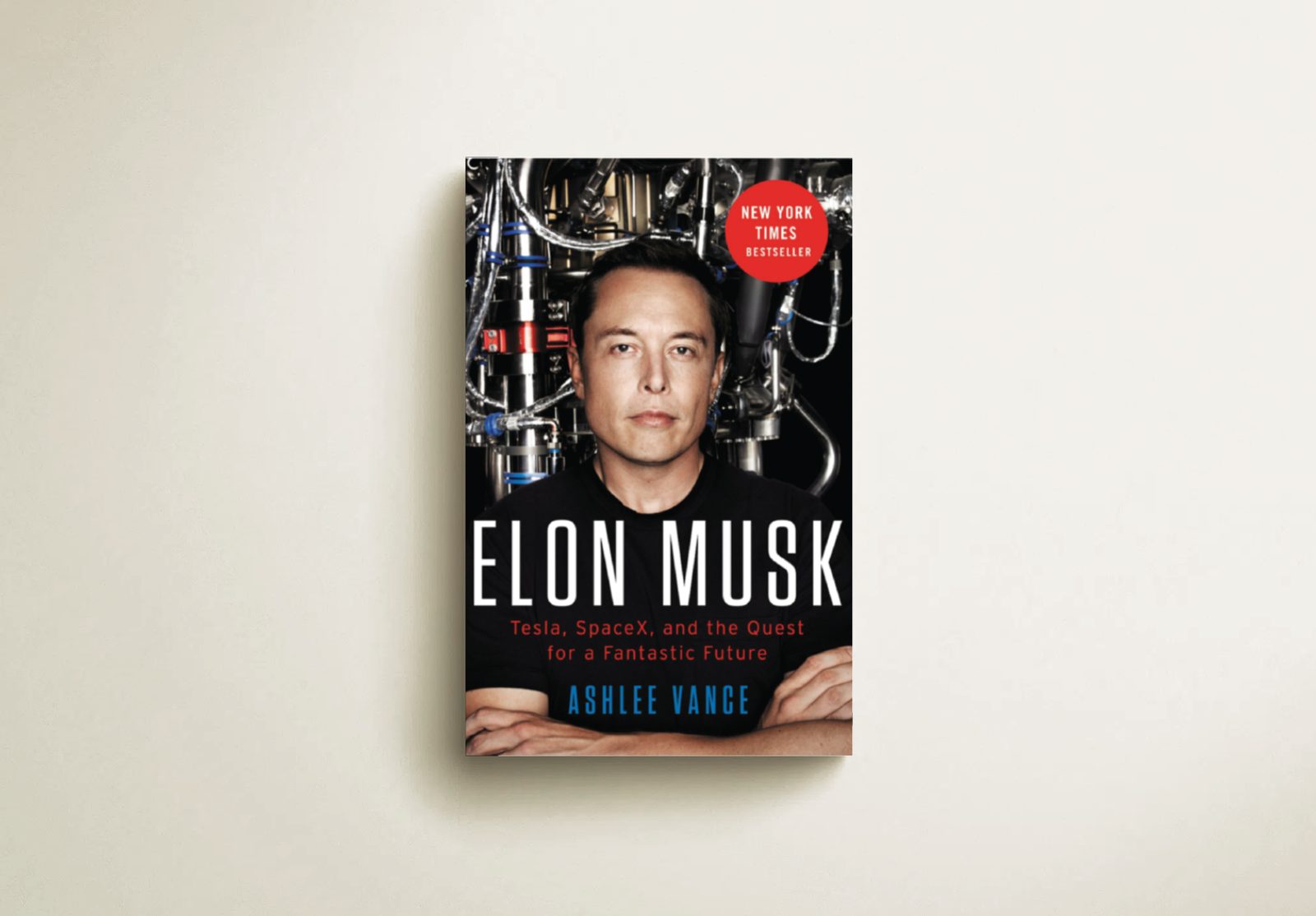
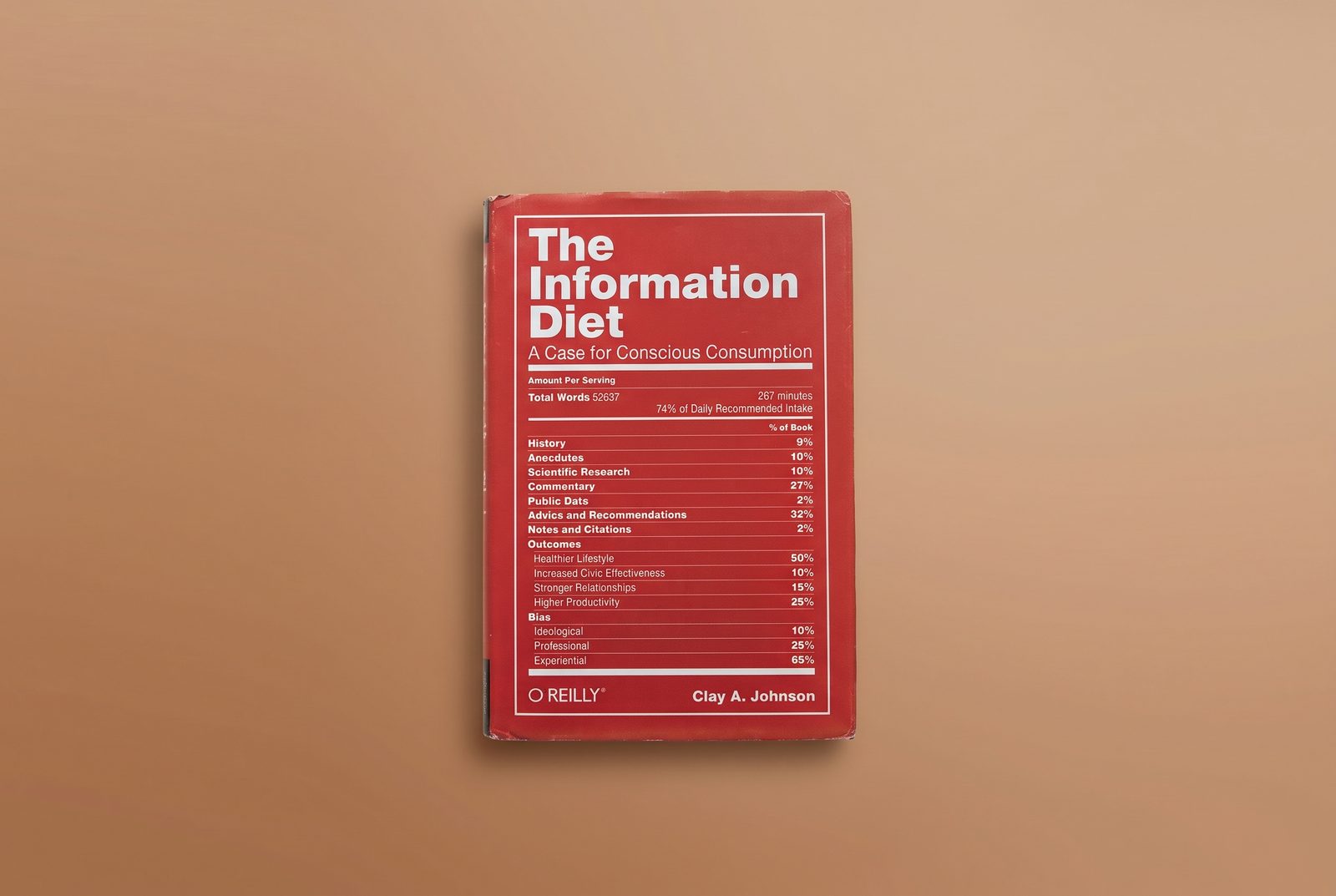
During 33rd Degree conference in Cracow O’Reilly had its stand with books at very attractive prices and similarly to the previous year I couldn’t resist buying something. This time I decided to get “The Information Diet” by Clay Johnson.
The A Case for Conscious Consumption subtitle looked very promising as I, as probably most people working in IT, have a problem with too many sources to read, check and analyze to extract information that is relevant and worth spending my time on. And I hoped that this book would help me to solve this issue.
Information obesity like a food obesity
In the first part of the book the author shows an analogy between food and information obesity. A few hundred years ago human civilization didn’t produce enough food for everyone so obesity was a sign of wealth. Only well situated people had enough money (and as a result food) to actually get fat. But then, agriculture developed and finally humans learnt how to produce food more effectively. And in the XXI century we have more food than we can eat (of course I mean developed countries) and what is more worrying, the better food tastes the worse it is for our health so we eat more junk food than healthy one.
A similar situation is with information. In the XXI century humanity produces so much information that no one is able to consume every piece of it. And we tend to consume information that “tastes” good and is far from being “healthy” and valuable. Such “unhealthy” data has some certain features. It:
- confirms our beliefs
- does not show arguments of the other side
- shows content that does not require thinking
For me this analogy was quite convincing but building and describing it on over sixty pages is definitely too much and the same result could be achieved in a much shorter way.
Information Diet
The second part forms the main thought of this book about how to learn to make conscious choices what and how to consume information that surrounds us. The main takeaways after reading this part for me are:
- you should concentrate more on information from your neighborhood (your district, your town). Local news saying that there is an ongoing road repair near your house is more important for you than news about the war in Syria as it is more likely to affect you in a noticeable way
- Sitting kills you so taking short breaks from your computer is really, really suggested
- Eliminate all notifications, blinking icons showing that you have a message in your Facebook/Twitter/IM client/e-mail etc.
- RescueTime.com is a great tool to measure the way you use your computer. It could track what applications, what websites you read and for how long each day, week, month so you could clearly see what kind of information consumption is eating most of your time and energy and tune your habits accordingly
- Pomodoro technique is a good way of reducing temptation to check Facebook/Twitter every two minutes but you can also start from shorter cycles (5 or 10 minutes) before you become a regular pomodoer
That list does not look so impressive, does it? You probably aren’t very convinced to go and buy this book, right? 🙂
But the main and most important thing after reading this title is that it made me think about the way I consume information. I started to reduce time spent on reading stuff that isn’t actually useful, I unsubscribed from some RSS feeds, I stopped following some people who produce too much information noise that wasn’t valuable and relevant, for other ones I set filters to hide tweets containing words that are out of my area of interest. So it actually pushed me towards a more effective and conscious information diet. And that is why I didn’t consider time spent on reading Information Diet as wasted.